What Happens on a Yoga Retreat? A Guide for First-Time Retreat Guests
If you have ever been curious about booking a retreat but wondered what actually happens on a yoga retreat, you are not alone.
Many people feel drawn to the idea of stepping away for a few days of yoga, rest and reflection but are not quite sure what the experience will really be like.
Is it intense yoga all day?
Will you know anyone?
Is it only for experienced yogis?
The reality is that a retreat is often much more spacious, nourishing and welcoming than people imagine.
If you are considering your first yoga retreat, this guide will help you understand what to expect and why retreats can be such a meaningful experience.
What actually happens on a yoga retreat?
At its heart, a yoga retreat is an opportunity to step out of everyday life and reconnect with yourself.
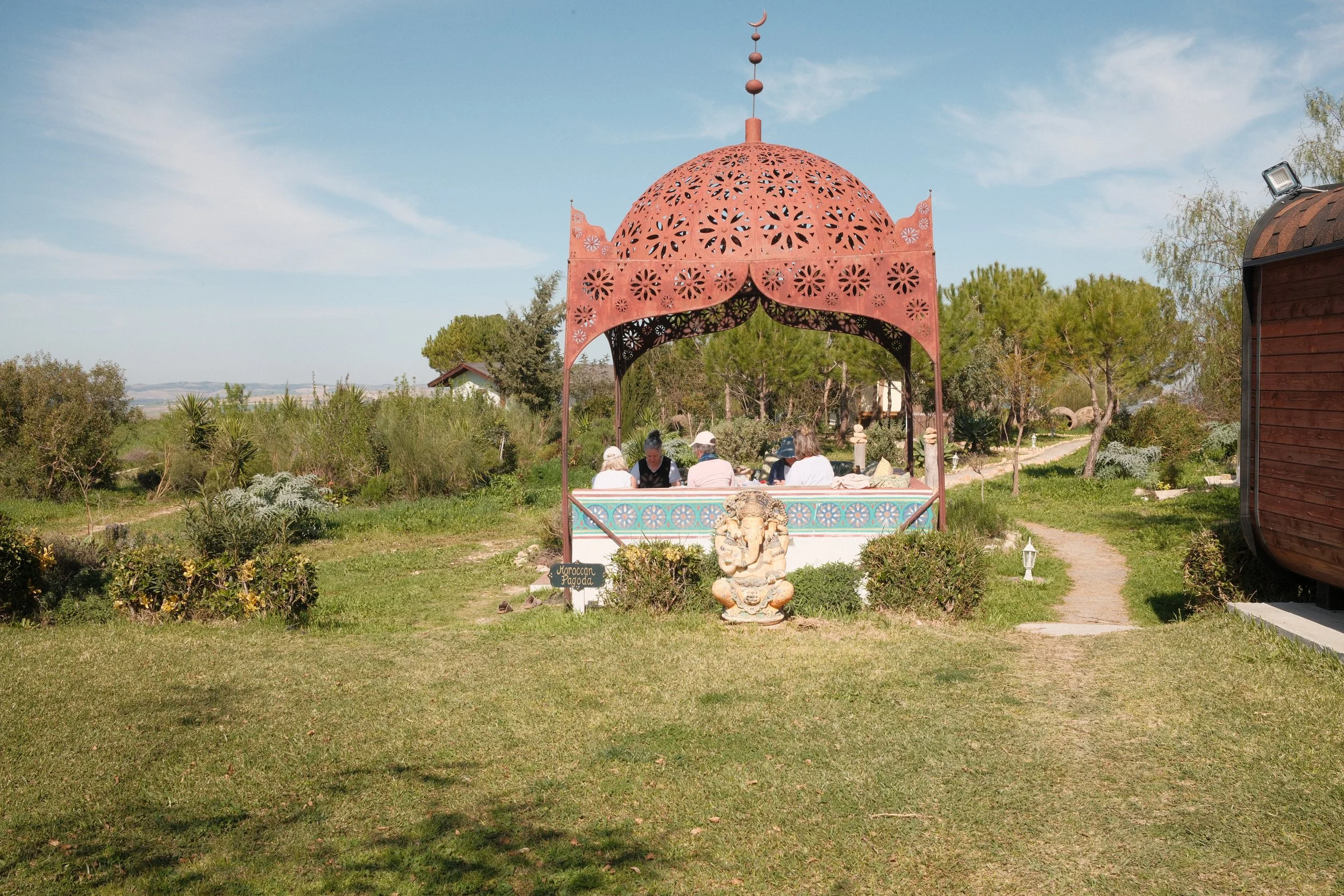
Instead of moving quickly from one responsibility to the next, the days unfold more slowly and intentionally. Retreats often take place in beautiful natural settings such as countryside villas, coastal locations, mountains or peaceful rural spaces where the environment itself invites relaxation.
A yoga retreat typically includes:
• Daily yoga practices
• Breathwork or meditation
• Nourishing shared meals
• Time to rest or explore
• Journalling or reflection
• Optional workshops or creative sessions
• Meaningful conversations and connection
The intention is not to fill every moment with activity. Retreats create a gentle rhythm of practice, rest and reflection that allows both body and mind to settle.
What does a typical day on a yoga retreat look like?
While every retreat is different, most follow a natural flow that balances movement, nourishment and downtime.
A typical day might look something like this.
Morning
The day often begins with a morning yoga or meditation practice. Morning sessions focus on gentle movement, breath and awareness to awaken the body and bring clarity to the mind.
After practice, guests gather for breakfast. This time is usually relaxed and unhurried with space to enjoy the surroundings.
Midday
Late morning and afternoon are often spacious and flexible.
Guests might spend this time:
• Walking in nature
• Reading or journalling
• Swimming or resting
• Exploring the local area
• Joining optional workshops or group activities
Lunch is often shared together, creating an easy sense of community.
Evening
In the evening there is often a slower practice such as yin or restorative yoga. These sessions help release tension and settle the body deeply.
Dinner is enjoyed together, followed by quiet time, or conversation.
The rhythm of retreat life is designed to feel nourishing rather than demanding.
Who are yoga retreats for?
One common misconception is that retreats are only for advanced yoga practitioners. In reality, yoga retreats welcome people of all experience levels. Many guests come to their first retreat simply because they feel ready for a pause from everyday life.
You might find people attending retreats who are:
• New to yoga and curious to learn
• Feeling burnt out or overwhelmed
• Moving through a life transition
• Seeking creativity or inspiration
• Wanting time to reflect and reset
• Simply craving rest and nourishment
Retreats often bring together people of different ages, professions and life stages, creating a warm and supportive group dynamic.
You do not need to be flexible or experienced. What matters most is arriving with openness and curiosity.
Why can yoga retreats be such a powerful experience?
Something shifts when we step away from our usual environment. Without constant notifications, deadlines or responsibilities, the nervous system begins to settle. The mind has space to breathe. Retreats combine several elements that support renewal:
• Gentle movement through yoga
• Breathwork and meditation
• Time in nature
• Nourishing meals
• Community and conversation
• Space for reflection and creativity
When these elements come together over several days, many people begin to feel clearer, calmer and more connected to themselves. Guests often leave retreats feeling rested, inspired and more grounded in what truly matters.
What role does creativity play on a Meala Soul retreat?
Alongside yoga and meditation, creativity is an important part of the Meala Soul retreat experience. Creative sessions offer another way to relax the mind and connect with others. Instead of focusing on outcomes or productivity, they invite guests to slow down, explore and enjoy the process. Many of these sessions are guided by my mom, Meritta, designer and founder of Mise Tusa.
These sessions might include:
• Craft or creative workshops such as jewellery making or felting
• Exploring colours, materials or textiles
• Simple making practices that encourage play and curiosity
Often these moments become some of the most joyful parts of a retreat. People sit together, create, chat and share ideas.
Creativity becomes a way to soften the mind and absorb the retreat experience more deeply.
What makes Meala Soul retreats different?
Every retreat has its own atmosphere and intention.
Meala Soul retreats are designed as spaces to soften, reconnect and gently expand.
The word Meala means honey in Irish. Something rich, nourishing and sweet. This spirit shapes the feeling of each gathering.
Practices weave together:
• Yoga and intuitive movement
• Breathwork and meditation
• Journalling and reflection
• Creative sessions and shared conversation
• Nourishing meals and time in nature or inspiring city environments
Should you go on your first yoga retreat?
If the idea of a retreat has been quietly calling to you, it may be worth listening to that curiosity. Your first yoga retreat does not require experience or preparation. Only the willingness to step away from everyday routines for a few days and care for yourself in a deeper way. A retreat is simply an invitation to pause, breathe and reconnect with what matters most. Sometimes that small step away opens the door to something unexpectedly meaningful.